Little Alligator: A Professional Designer's Take on This Charming Baby Animal Embroidery
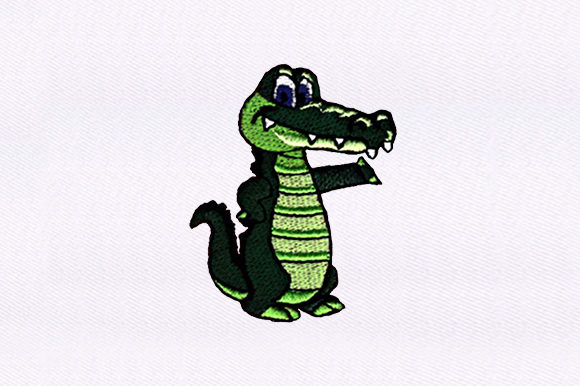
When I first opened the Little Alligator embroidery file, I smiled. It’s not just an alligator; it’s a character. Those big blue eyes and the playful, rounded shape immediately set a mood. This isn't a menacing swamp creature—it's a friendly, cartoonish companion perfect for projects that need a dose of whimsy. As a designer who evaluates files for real client work and my own craft business, my first thought was about personality. This design has a clear visual personality: cute, approachable, and sweet. It naturally belongs to the Baby Animals category, but its appeal stretches far beyond just nursery decor.
Where This Adorable Alligator Finds Its Home
Imagine you’re preparing a custom order for a client. They want a unique, personalized gift for a newborn, perhaps a keepsake blanket or a set of baby bibs. Little Alligator jumps out as a perfect candidate. Its friendly demeanor is instantly engaging. But its use doesn’t stop there. I mentally pictured it on a canvas tote bag for a nature-loving customer, on the corner of a cozy kitchen towel for a boutique product, or as a cheerful patch on a child’s backpack. For small business owners and Etsy sellers, this design translates easily into products that feel handmade and special, not mass-produced.
The theme is specific, yet versatile. It could anchor a line of swamp or reptile-themed merchandise, or stand alone as a singular, charming accent on apparel. I considered it for a lightweight summer sweatshirt—the playful green and blue would pop against a soft heather gray fabric. For apparel decorators, this kind of design adds value because it tells a little story, increasing the perceived worth of the finished product.
A Real-Life Scenario: Crafting a Boutique Tote Bag
Let’s walk through a real case. I’m in my studio, preparing a batch of embroidered tote bags for my small shop’s spring collection. I pull out a natural canvas bag, choose a crisp white stabilizer, and load Little Alligator. My goal isn’t just to stitch it; I’m thinking about how it will look after stitching, how the texture of the canvas will interact with the stitches, and what kind of customer reaction it might get. The design, with its presumably solid fill stitch areas for the body and satin stitch details for the eyes, needs to stitch out cleanly on a textured fabric. The result? A tote bag that feels artisan-made, with a design that’s both recognizable and unique enough to attract a buyer looking for something beyond generic store merchandise.
Performance Notes: Where to Use It With Care
Not every embroidery design is a universal fit. While Little Alligator seems straightforward, its successful application depends on thoughtful execution. For instance, if the design has very dense fill stitch areas, I’d be cautious using it on thin, stretchy fabrics like a standard t-shirt without proper stabilizer. The pull could distort that cute shape. Similarly, on dark fabric backgrounds, those lovely green and blue thread colors need sufficient contrast to remain vibrant—sometimes a lighter underlay or a slight color adjustment is needed.
Curved surfaces like caps or hats present another consideration. The design’s layout needs to be balanced so it doesn’t look awkward when hooped on a dome. If the alligator has many small, detailed corners—perhaps in the toes or tail—stitching it on a very small hoop size might lose some clarity. For products destined for frequent washing, like baby clothes or kitchen towels, I always recommend testing the stitch durability first. A robust stitch density and quality threads will ensure the design survives many laundry cycles, maintaining customer trust in your handmade product.
Enhancing Visual Appeal and Professionalism
From a business perspective, using a well-executed design like this affects more than just aesthetics. It boosts your product’s visual appeal, which directly influences buyer engagement. A clean, crisp embroidery on a photographed item for your Etsy listing or printable mockup looks professional. It signals to customers that you pay attention to detail. This consistency builds brand consistency, especially if you curate a collection around similar charming animal designs. For digital product sellers, this file becomes a valuable design asset for their customers, so its real-world performance is a key selling point.
The giftability of a finished item featuring this alligator is high. It feels personal and thoughtful, not generic. Whether it’s a holiday gift, a wedding gift for a couple who loves Florida, or a personalized product for a child, the design carries an emotional resonance that a plain logo might not.
Practical Designer Notes Before You Stitch
Before I ever stitch a new design for a client project or my own merchandise, I follow a simple checklist. For Little Alligator, I would absolutely run it on scrap fabric first—ideally the same material I plan to use for the final product. This test reveals everything: thread color contrast, how the satin stitches lay, whether any small details like the blue eyes get lost, and if the overall size feels right for the project.
I’d compare it on both a light and a dark fabric scrap to see how the color palette behaves. Checking the required hoop size is crucial; you don’t want to discover it needs a 5x7 hoop when you’ve prepared a 4x4 item. Inspect the file for any extremely tiny elements that might not translate well on certain textures. For commercial embroidery or selling finished items, confirming the licensing terms is a non-negotiable step. Does the file allow for use in commercial embroidery projects? Always verify.
Using proper stabilizer for the chosen fabric is, of course, fundamental. For a potentially dense design, a firm stabilizer might be necessary to prevent puckering, especially on apparel like sweatshirts. Finally, I often test the design in simple black and white mockups to judge its silhouette and form, stripping away color to see if the shape itself is strong.
A Final Thought for Creative Entrepreneurs
Little Alligator is more than just an embroidery file. It’s a tool for creating products that carry charm and character. Its cute, green form with those blue eyes isn’t just about adding a spark of beauty; it’s about adding a point of connection. For crafters, makers, and small shop owners, that connection is what turns a simple embroidered piece into a beloved item, a successful Etsy listing, or a memorable personalized gift. Approach it with the practical care of a professional, test it thoroughly, and it will likely become a reliable, joyful part of your embroidery project repertoire.