Forward Thinking: An Embroidery Designer's Business Review
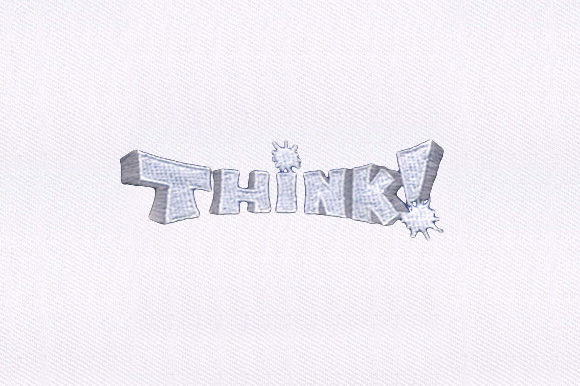
As an embroidery designer working daily with small business owners and product creators, I’m always evaluating new designs for their commercial potential. When a file like Forward Thinking arrives, my first question isn’t just about its beauty, but its business utility. This design, categorized under Awareness, immediately suggests a mindset—a brand philosophy. For a café, studio, boutique, or any local enterprise wanting to communicate their ethos, this isn’t mere decoration; it’s a statement piece.
The Professional Personality of Forward Thinking
The title Forward Thinking evokes a modern, progressive, and intelligent vibe. In a commercial embroidery context, this translates to a design that should feel both professional and approachable. It likely balances clean lines with a touch of creative flair, making it suitable for businesses that want to appear innovative yet trustworthy. For a tech startup’s merch, a creative studio’s uniforms, or a sustainable product brand’s labels, this name alone aligns with a forward-looking brand identity. The design’s execution will determine whether it leans more bold and graphic or elegant and detailed, but its core purpose is to visually communicate progress and vision.
Real-World Applications for Small Business Merchandise
The true test of any machine embroidery design is how it performs on actual products. Based on its description as an embroidery file with broad format support—including DST, PES, JEF, and others—Forward Thinking is designed for versatility. Here’s how I see it working in real scenarios.
Embroidered Patches for Brand Consistency
An embroidered patch bearing this design is incredibly powerful. A small handmade shop could sew it onto product packaging as a premium accent. A pet brand could use it as a badge on leash holders or bandanas. For uniforms, a patch on an apron or work shirt instantly elevates staff attire. The key is ensuring the design’s details remain clear at small sizes. Before production, test it at the intended patch size, especially if the design includes text or intricate outlines.
Uniforms, Caps, and Tote Bags: The Daily Brand Touchpoints
For custom apparel, this design could be excellent as a chest logo on polo shirts for a team, a subtle sleeve detail, or a centered cap embroidery. For a bakery or café, apron embroidery with this motif makes a functional garment into a branded asset. On a tote bag design, it becomes a walking advertisement. Each of these applications increases customer recognition and reinforces brand identity every time the item is used or seen.
Product Labels and Boutique Merchandise
For Etsy sellers and craft businesses, adding an embroidered element to a handmade product—like a linen towel, a canvas pouch, or a knitted hat—significantly boosts perceived value. Forward Thinking could serve as that perfect, branded add-on. It turns a simple product into a branded experience, fostering customer trust and engagement.
Critical Considerations for Production Success
While the potential is high, practical embroidery designer notes are essential to avoid costly mistakes in commercial embroidery projects.
Navigating Size and Placement Challenges
Not every design works everywhere. Evaluate Forward Thinking carefully for small patch sizes and cap fronts. Curved surfaces like caps can distort elements. If the design has tiny lettering, it may become unreadable or fill with stitches. Always create a mockup for client approval, either digitally or by stitching a sample on similar fabric. This verifies scale and impact.
Stitch Density, Fabric, and Durability
The provided embroidery file formats ensure compatibility, but you must assess the file’s stitch density for the chosen fabric. A high-density design on a lightweight tee might be too stiff. On dark uniforms, thread color contrast is paramount—test in black and white first to check readability. For items needing frequent washing, like aprons or work shirts, a robust design with good spacing and proper stabilizer will ensure longevity. Always test on real fabric before full production.
The Complete Workflow for Professional Results
My standard process for a new design like this involves:
- Checking the file in my software to preview thread colors and structure.
- Confirming the required hoop size for my target products.
- Stitching a sample on the actual fabric texture I’ll use (denim, cotton, canvas, etc.).
- Comparing it beside other design assets to ensure visual consistency across brand materials.
- And most crucially, confirming commercial licensing before any business use. While the formats are listed, the license terms are not—always verify this with the file provider.
The Impact on Brand Identity and Customer Perception
Ultimately, choosing Forward Thinking for your merchandise is a strategic branding decision. A well-executed embroidered logo or patch communicates professionalism and care. It makes a handmade product feel more finished and valuable. On uniforms, it fosters team pride and customer trust. For event merch or customer gifts, it creates a tangible memory of your brand’s philosophy. This design, when applied correctly, isn’t just an ornament; it’s a tool for building awareness and reinforcing your brand’s commitment to innovation and quality.
Final Advice for Business Creators
If you’re a small business owner, apparel decorator, or merch creator considering Forward Thinking, view it as a digital embroidery file with business intent. Start by defining its role: a primary logo patch, a secondary accent, or a product line signature. Then, follow the practical steps. Invest time in testing. Use printable mockups to visualize the finished product before committing to bulk embroidery. A design with a name like this should look and perform as if your business is, indeed, thinking forward—in every stitch.