Putting the Baseball Player Hits the Ball Design to the Test
As a professional embroidery designer, I constantly evaluate new digital files for their potential in real projects. When I came across the Baseball Player Hits the Ball embroidery design on Creative Fabrica, my first thought was its placement in the Transportation category, which is admittedly a bit puzzling. But the design itself—a dynamic player swinging for the ball—clearly fits a sports, team, or personal interest niche, which is a strong market for custom apparel and gifts.
First Impressions & Project Fit
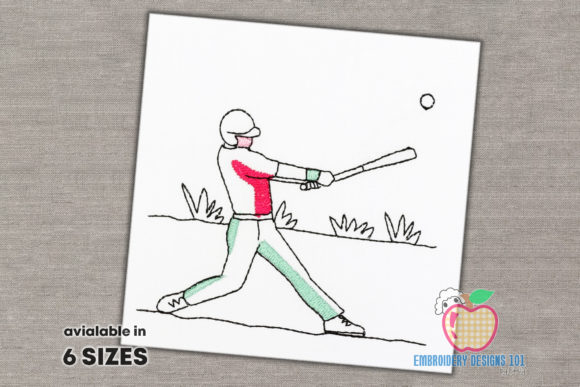
The Baseball Player Hits the Ball design has a playful, action-oriented mood. It’s not an overly dense or hyper-realistic illustration; it has a decorative, almost graphic quality that I appreciate for many handmade products. The detail level seems balanced—enough to convey the motion and theme without being overly complex. This stitching personality means it will likely work well on a variety of surfaces without requiring excessive stitch time or heavy stabilizer. I immediately visualized it on youth sweatshirts, team tote bags, or as a focal point on an apron for a baseball-loving cook.
Performance in Real Embroidery Work
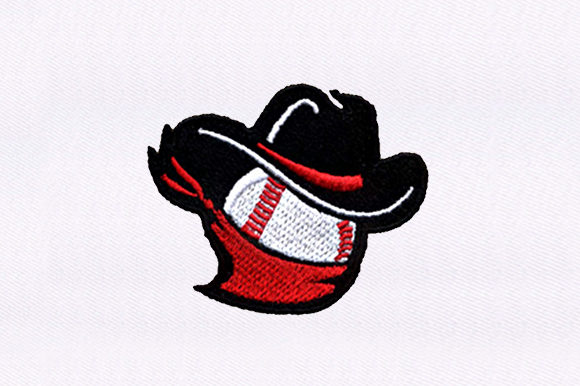
Considering its description as a “Quick Stitch” design and noting it mentions it is “not 100% filled,” this suggests a mindful approach to stitch density. For real-world application, this is a significant positive. Lower density can mean less puckering on stretchy fabrics like sweatshirts and t-shirts, better performance on curved surfaces like caps, and a softer feel on items like baby blankets or pillow covers. The fact it comes in multiple sizes, as shown on the product image, is crucial. This versatility allows me to scale it for a small patch on a cap or enlarge it for a bold statement on a tote bag or hoodie.
For commercial embroidery projects and Etsy listings, a design like Baseball Player Hits the Ball needs to stitch cleanly and reliably. The open, less filled areas should help with production speed, which is important for small business owners fulfilling multiple orders. I would test it on a scrap of the actual project fabric first—especially for dark fabrics where thread color contrast is vital, and on textured fabrics like towel material for kitchen towels or aprons. The small details, like the bat and ball, will need a close inspection after a test run to ensure they stitch out clearly without jumps or awkward connections.
Navigating Specific Applications
Let’s walk through some specific project scenarios. For a custom apparel item like a youth sweatshirt, the design’s action-oriented look adds instant value and visual appeal. For a tote bag, its graphic nature makes it a great standalone feature, enhancing the handmade presentation. On a baby blanket or nursery decor item for a baseball fan family, it becomes a personalized gift with a lot of heart. As an embroidered patch, its clarity is key; I’d ensure the chosen hoop size and stabilizer are appropriate to keep edges sharp.
For products that need frequent washing—kitchen towels, aprons, wearable apparel—the integrity of the stitches under stress matters. A design with balanced density and secure running stitches or satin stitch borders (as this likely employs) typically holds up better. Again, testing is non-negotiable. For curved cap surfaces, the provided smaller sizes would be my go-to, and using a firm stabilizer is essential to prevent distortion.
Affecting Product Value & Customer Trust
Using a well-executed embroidery file like Baseball Player Hits the Ball directly impacts your product’s perceived value. A clean, crisp stitch-out on a handmade product builds buyer trust. It shows professionalism and care. For Etsy sellers and craft fair vendors, this design offers a ready-made asset for creating cohesive listings—you can offer it on a range of products, from pillow covers to caps, building brand consistency around a sports theme. Its giftability is high; it’s a recognizable, fun motif that resonates personally.
For product photography and printable mockups, a design with clear outlines and good contrast stitches well in digital presentations, helping with customer engagement. The final embroidered product should look intentional and high-quality, which this design seems poised to deliver if set up correctly.
Practical Embroidery Notes for the Professional
Before running Baseball Player Hits the Ball for a client order, my workflow involves several checks. First, I always review the exact product details on Creative Fabrica for the specific file formats, licensing terms, and any included notes on recommended hoop sizes or thread colors. I do not invent these details; I rely on what the designer has provided.
- I test on scrap fabric identical to the project fabric.
- I compare light and dark fabric mockups mentally, planning thread color choices accordingly.
- I select stabilizer based on the fabric weight and stretch.
- I confirm the hoop size by matching the design size to my project area.
- I inspect small details after stitching, particularly any potential thin running stitch lines or small fill areas, to ensure they are robust.
This due diligence ensures the final product meets my standards and my customer’s expectations. For a digital embroidery file like this, its commercial use potential is tied directly to that reliability.
Final Assessment
The Baseball Player Hits the Ball machine embroidery design from Creative Fabrica appears to be a thoughtfully created file for a specific, popular niche. Its characteristics—multiple sizes, noted lower fill density—suggest it was designed for practical use across various projects. For embroidery designers, Creative Fabrica users, and small business owners looking for a sports-themed design, it warrants a close look. It seems naturally suited for custom apparel, gifts, and home decor items where a bold, graphic sports motif is desired. As always, your final judgment should come from a practical test stitch and a thorough review of the product page details. But from a professional standpoint, this design has the hallmarks of a useful asset for your embroidery portfolio.