Phoenix Embroidery Design: A Professional Designer's Hands-On Review
When you’re sourcing embroidery designs for real client projects or your own product line, the difference between a generic file and a thoughtfully digitized one is everything. Today, I’m looking at the Phoenix embroidery design from Creative Fabrica—not just as a digital asset, but as a potential centerpiece for handmade goods and commercial embroidery work.
First Impression: Visual Mood and Decorative Potential
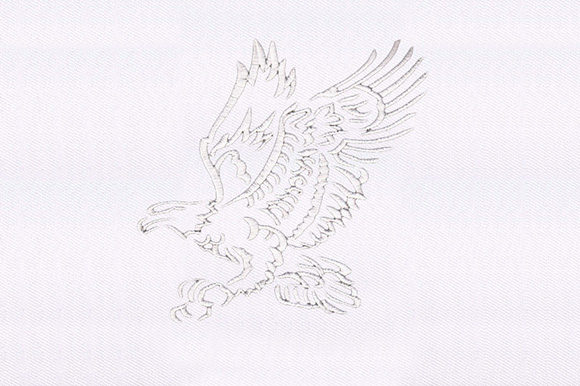
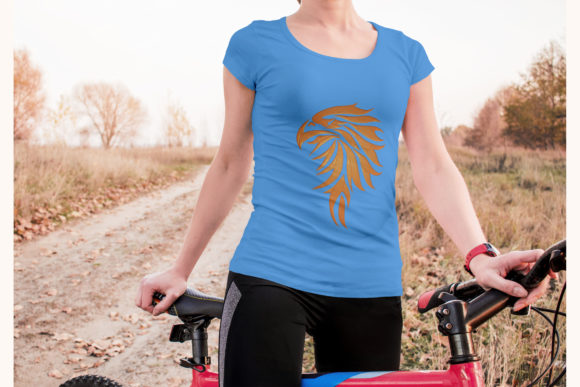
The Phoenix design immediately presents a strong, symbolic visual. Its style leans towards a decorative, almost mythological aesthetic, which gives it a distinct personality. The digitization appears to embrace flow and movement, suggesting a design meant to feel alive rather than static. This isn't a simple bird outline; it carries a stitching personality that could elevate a basic item into a statement piece. My first thought was its natural fit for projects where visual appeal is paramount: a custom sweatshirt, a decorative pillow cover, or a featured element on a tote bag. It feels suited for gifts, boutique merchandise, or Etsy listings where the story behind the product matters.
Where Phoenix Shines in Real Project Applications
Considering real applications, Phoenix has versatile potential. For custom apparel like sweatshirts and t-shirts, it could serve as a bold, central logo. On home decor items like pillow covers or kitchen towels, it becomes an art piece. Its thematic nature makes it a candidate for nursery decor or baby blankets where a mythical guardian motif might be appreciated. For small business owners, especially those selling at craft fairs or through online handmade shops, this design could anchor a line of products—think embroidered patches, aprons, or seasonal handmade gifts with a fiery, resilient theme. The available six sizes mentioned in the description is a crucial point, as it allows scaling for different products, from a large tote panel to a smaller cap or patch.
Practical Performance on Fabric and Hoop
Any experienced embroiderer knows a beautiful preview doesn’t guarantee smooth stitching. The product description notes it’s “digitized by hand” and “with stitch angle,” which often implies careful attention to stitch flow and reduced thread breaks. However, for real-world use, several factors need consideration. Stitch density in the detailed areas will be key; a very dense fill stitch in the body or wings could be challenging on lightweight or stretchy fabrics like t-shirts without proper stabilizer. Testing on scrap fabric first is non-negotiable.
For dark fabric applications, you’ll need to review thread color contrast carefully—some details might get lost if the color palette isn’t chosen strategically. Applying it on curved surfaces like caps requires checking how the provided sizes match common cap hoop dimensions. The design’s layered details and any potential tiny lettering (if included) must be inspected after a test run to ensure cleanliness, especially on textured fabrics. For items that need frequent washing, like baby blankets or kitchen towels, a robust stitch construction with secure satin or fill stitches is vital for longevity.
Affecting Product Value and Customer Trust
Using a well-digitized design like Phoenix directly impacts your finished product’s perceived value. A clean, detailed embroidery job enhances buyer trust and the overall handmade presentation. It can become a signature element for brand consistency across your product range. The visual appeal it offers is a major asset for product photography and creating attractive printable mockups for your online store. For giftability, a product featuring such a symbolic and well-executed design feels more intentional and special, boosting customer engagement and satisfaction.
Essential Pre-Stitch Checklist for Professional Use
Before committing Phoenix to a customer’s order, here’s my practical workflow:
- Always download and inspect the actual files. Confirm the exact formats and the listed six sizes against your machine compatibility and intended hoop sizes.
- Run a test stitch on a scrap fabric identical to your project fabric (e.g., sweatshirt fleece, canvas for tote bags).
- Compare light and dark fabric mockups digitally to plan your thread colors.
- Review the stitch density visually during the test—note any areas that seem overly thick or jump-heavy.
- Use the proper stabilizer for your fabric type. This is critical for preserving the design’s detail.
- Inspect small details and any outlining after the test stitch for clarity and integrity.
- Most importantly: thoroughly review the file details and licensing information on the Creative Fabrica product page before selling any finished items. Ensure your commercial use aligns with the included license.
Final Verdict: Is Phoenix Worth Using?
From a professional embroidery designer’s standpoint, the Phoenix embroidery design presents a compelling option for decorative, symbolic projects. Its hand-digitized nature and multiple sizes suggest it was created for real application, not just as a graphic. It fits naturally into markets valuing mythology, resilience, and artful decoration.
Its success in your shop or on your client’s product, however, hinges on the due diligence described above. The potential pitfalls—stitch density on delicate fabrics, detail loss on dark backgrounds, sizing for specific items like caps—are common to any intricate design and are manageable with proper testing and setup. If you are creating handmade gifts, Etsy listings, or boutique apparel where a strong, elegant bird motif adds value, Phoenix is certainly worth considering. It has the character to elevate a simple pillow, sweatshirt, or tote bag into a product with story and visual impact. As with any digital embroidery file, your skill in pairing it with the right materials and preparation will determine the final, stunning result.