A Designer’s Hands-On Review of the Postal Dog Embroidery Design
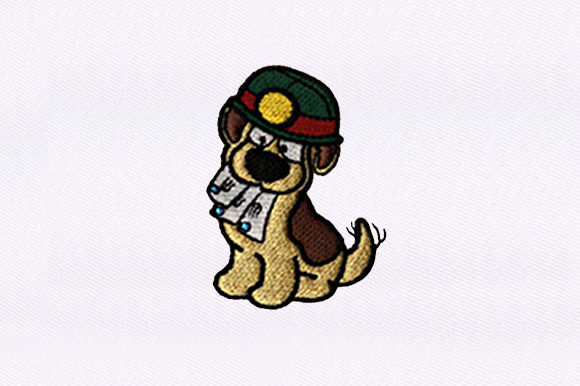
As someone who designs and stitches for a personalized gift shop, my process always starts with a digital file on screen and ends with a tangible, heartfelt product in hand. When I first opened the Postal Dog Design, its charm was immediately apparent. This isn’t just a graphic; it’s a scene with a narrative. The mood is sweet and classic, evoking a sense of handwritten letters and cherished connections. The detail level is thoughtful—not overly complex, but with enough character to feel handmade and warm rather than simplistic.
The Emotional Pull and Gift Potential
In my shop, emotional appeal dictates success. This design feels inherently meaningful. It’s playful yet elegant, tapping into that universal love for dogs and the sentimental idea of ‘mail’ as a carrier of love or news. I instantly imagined it on a baby blanket announcing a new arrival, or a kitchen towel as a housewarming gift. It has a timeless, non-seasonal quality that makes it a versatile candidate for wedding keepsakes, perhaps for a couple who shares a beloved pet, or as a personalized nursery item celebrating a family’s furry member.
The personalized gift applications are vast. Beyond baby embroidery and wedding gifts, think of family keepsake pillow covers, custom tote bags for a dog-loving friend, or aprons for someone who treasures their home. For crafters selling at fairs or on Etsy, this design translates beautifully into a product line. A simple embroidered towel with this motif feels elevated. It adds perceived value; customers see the handmade quality and the emotional connection, which directly boosts giftability. In product photography, a well-stitched Postal Dog Design on a crisp pillow or soft blanket creates instant buyer engagement—it tells a story before a single word is read.
Practical Applications for Your Product Line
Let’s talk real placement. For baby embroidery, consider it on the corner of a muslin blanket or a cotton crib sheet. For wedding gifts, a linen pillow cover or the pocket of a custom apron works wonderfully. As nursery decor, it’s perfect on a wall hanging or a small canvas. For everyday items, a tea towel or a tote bag makes a lovely, usable gift. This flexibility is key for small shop owners needing one design to serve multiple craft fair products or Etsy listings. Using a digital embroidery file like this, you can create custom order previews for clients, showing them how it would look on their chosen item—a huge trust builder.
Where to Use with Extra Care
While versatile, any design has its considerations. The Postal Dog Design likely has some small elements—perhaps the letter details or the dog’s features. On thick, textured fabric like a terry towel, you’ll need excellent stabilizer to keep those details crisp. On stretchy baby clothes, careful hooping and stabilization are non-negotiable to prevent distortion. Curved surfaces, like on a cap, might require adapting the placement. On dark fabrics, thread color contrast must be planned; a printable mockup in both light and dark backgrounds is a smart step before stitching. And for any product destined for frequent washing—like kitchen linens or baby items—testing stitch durability on a scrap of the actual fabric is a must.
The Embroidery Process: Notes from the Hoop
Before running this for a customer order, my professional routine is rigorous. First, I always test on scrap fabric identical to the final product material. This checks for any needed adjustments in stitch density or thread colors. I confirm the required hoop size from the file information—a mismatch can ruin placement. The listed embroidery file formats are comprehensive, including PES, JEF, DST, and others, ensuring compatibility with most machines. This is a relief for a busy shop.
I pay close attention to stitch density in the design preview. A balanced density prevents fabric puckering, especially on delicate materials. Using the proper stabilizer for the fabric texture is half the battle for a perfect finish. After a test run, I inspect all small details under good light. Does the character of the dog hold up? Are the mail elements clear? This is how you ensure the finished product looks professional.
Finally, a crucial step for anyone selling handmade products: confirming the commercial embroidery licensing terms for this digital embroidery file. The product description specifies it’s a machine embroidery design, but the exact license for selling physical products should be verified by the designer or platform before you list your first embroidered towel or pillow cover. This protects your small business and respects the digital artist’s work.
Building a Product Around This Design
Integrating the Postal Dog Design into your offerings means thinking about the customer it attracts. It’s for the person seeking a gift with a personal touch—not generic, but not overly customized with names. It’s for the dog lover, the new parent, the friend who values nostalgia and craftsmanship. In my shop, such designs become cornerstone items. They are reliable, they stitch well, and they evoke a smile. That’s the core of a successful personalized gift: a beautiful machine embroidery design executed with care, resulting in an object that carries more than just thread—it carries a feeling.
So, from my hoop to yours, the Postal Dog Design passes the test for thoughtful, gift-ready embroidery. It invites you to create products that feel special, look professional, and connect deeply with the recipient. That’s the magic we, as makers and sellers, are always stitching to find.