A Textured Quilting Embroidery Design for Boutique Apparel
When a boutique brand commissions a premium sweatshirt collection, the embroidery design chosen isn't just decoration—it's the soul of the product. I’m reviewing Subtle Quilting Design as if it were on my screen for a real, limited-edition drop. The title promises texture and understatement, a combination that immediately signals intention for a sophisticated, handmade feel rather than a loud graphic.
First Impressions: Mood and Texture
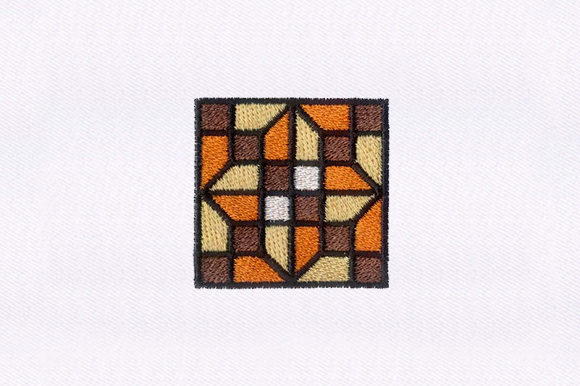
The name Subtle Quilting Design suggests a pattern built from geometric stitching, likely mimicking the pieced or stitched lines of traditional quilting. My first thought is that this isn't a bold, icon-based logo; it's a decorative, all-over texture. The mood leans towards rustic, minimal, and quietly decorative. On a premium sweatshirt, this wouldn’t scream “brand”—it would whisper “craft.” The detail level implied by “quilting” suggests repeated motifs, perhaps diamonds, squares, or intersecting lines, creating a sense of handcrafted detail without being overly feminine or playful. It feels premium precisely because of its subtlety.
Application on Boutique Sweatshirts
For a small shop targeting customers who value aesthetics and comfort, placement is key. Subtle Quilting Design offers fascinating versatility.
Chest Placement on Oversized Hoodies
A centered, moderately-sized rendition on the chest of an oversized, neutral hoodie would be perfection. The textured stitching would catch the light differently than flat knit fabric, adding a layer of visual interest to a simple garment. On dark fabrics like charcoal or navy, using a slightly off-white or pale grey thread would make the design pop through contrast while maintaining that “subtle” promise. On pastel sweatshirts—think oat milk or sage—a tone-on-tone approach with a slightly darker thread could create an elegant, shadow-like effect.
Sleeve Accents and Back Designs
This design type could also work beautifully as a smaller accent on a sleeve cuff or running along the shoulder seam. For a statement piece, a larger version across the entire back of a cozy crewneck would transform it into a truly unique, decorative apparel item. It moves beyond typical boutique merchandise into something resembling wearable art.
The Practical Designer’s Checklist
Moving from concept to machine embroidery requires a hard look at practicalities. Here’s how I’d evaluate Subtle Quilting Design for commercial use.
Thread Color & Contrast
“Subtle” doesn’t mean invisible. Choosing thread colors that complement the base fabric is crucial. For high contrast on dark sweatshirts, a matte-finish thread would prevent a shiny, cheap look. For a truly blended, textural effect, matching the thread closely to the fabric color can make the embroidery feel like an inherent part of the garment’s texture.
Stitch Density and Fabric Thickness
Sweatshirt material, especially premium cotton blends, is thick. A design with high stitch density can become stiff and uncomfortable. A quilting pattern, often built from lines and fills, needs to be checked for density. I’d hope the design uses satin stitches and smart fill patterns that provide texture without creating a rigid, heavy patch. This directly impacts washing durability and comfort—a stiff embroidery area can pucker or feel odd over time.
Stabilizer Choice and Hoop Placement
A good cut-away stabilizer is non-negotiable for sweatshirt embroidery to prevent distortion and support the stitches. The design’s layout will dictate hoop placement. If it’s a symmetrical, all-over texture, centering is straightforward. If it’s more organic, careful measurement is needed to keep it looking intentional on the final product.
Small-Size Readability and Commercial Strength
If scaled down for a sleeve accent, will the quilting pattern still read clearly? The lines and motifs need to be distinct enough not to blur into a vague texture at small sizes. This design feels strong enough for commercial apparel use if its technical construction is sound. Its decorative nature means it doesn’t rely on a single, critical fine detail that might vanish; it’s about the overall pattern impression.
A Critical Note on File Specifications
The product lists multiple embroidery file formats—10O, ART, CND, DSB, DST, DSZ, EXP, HUS, JEF, PCS, PEC, PES, TAP, VIP, VP3, XXX. This compatibility is excellent for different machines. However, before production, a small shop must check the specific stitch count, recommended hoop size, and any included color sequence notes within the file they purchase. These details are not provided here and are vital for planning time, material, and final appearance.
Elevating Brand Value and Customer Perception
Using Subtle Quilting Design isn’t just about making a nice sweatshirt; it’s about building a brand identity.
Product Value and Handmade Presentation
This design inherently increases perceived value. It looks labor-intensive and carefully crafted, aligning perfectly with the “handmade” or “small batch” narrative that Etsy sellers and boutique brands thrive on. In product photography, the texture of the embroidery adds depth, making lifestyle mockups and printable previews more compelling. It’s a design that looks better in real life than in a flat graphic, encouraging customer trust in quality.
Visual Recognition and Brand Identity
While not a logo, a consistent use of this textural design across a collection—on hoodies, crewnecks, maybe even paired beanies—creates a cohesive visual language. Customers begin to recognize your brand’s aesthetic through this decorative signature. It engages customers who appreciate subtle details and are likely to become repeat buyers seeking that specific, crafted feel.
Final Thoughts for Creative Entrepreneurs
Subtle Quilting Design presents a compelling opportunity for apparel decorators looking to move beyond simple text or trendy icons. It fits the cozy, seasonal apparel niche perfectly—imagine it on a heavyweight, winter crewneck or a lightweight spring hoodie. For digital sellers, this machine embroidery design is a powerful design asset. It allows for endless customization through thread color choices, making it adaptable for different colorways in your shop without needing a new digital embroidery file each time.
Its success hinges on execution. Pair it with excellent fabric, thoughtful thread selection, and professional embroidery technique. When done right, it transforms a basic sweatshirt into boutique-brand merchandise that tells a story of texture, craft, and understated style. It’s a design that doesn’t shout; it invites a closer look, and in today’s market, that quiet confidence can be exactly what sets a small shop apart.