A Design Review of Paint Lively Quilting
First Impression: Evoking a Whimsical, Handmade Mood
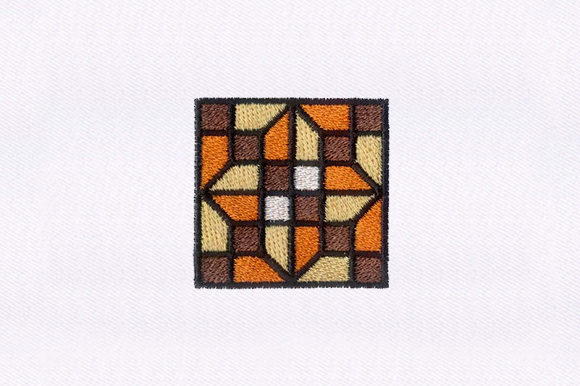
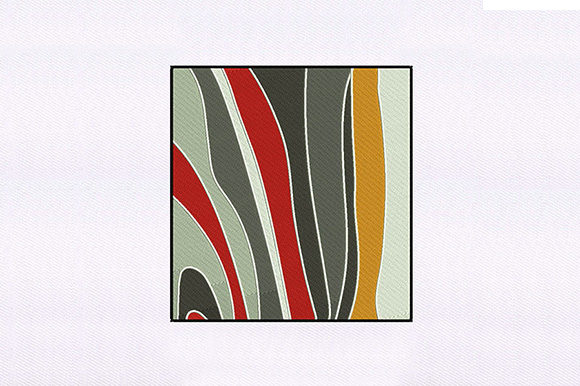
When I first looked at the Paint Lively Quilting embroidery design, my immediate thought was, “This feels like a storybook quilt block.” It doesn’t shout; it whispers a friendly, whimsical narrative. The layout suggests a playful, almost painterly arrangement of shapes, likely with a good mix of fill stitch and satin stitch elements to create texture. The visual personality isn’t overly dense or minimalist—it strikes a balance that promises a finished product with a handmade, artistic charm. This isn’t a design for stark corporate branding; it naturally belongs to projects that celebrate creativity, comfort, and personal expression.
The Natural Project Fit: From Home Decor to Cherished Gifts
Given its category hint, this design’s soul is in the Bedroom, but its application is far broader. I envision it beautifully anchoring a pillow cover for a cozy reading nook or becoming the centerpiece on a lightweight throw blanket. Its character makes it a perfect candidate for boutique nursery decor—think a sweet, embroidered wall hanging or a delicate motif on a linen baby blanket. As a small shop product or an Etsy seller listing, items adorned with this design would carry a sense of artisan care, appealing to customers looking for that special handmade product feel.
Scenario: Crafting a Personalized Gift Tote
Let’s walk through a real scenario. I’m preparing a custom embroidered tote bag as a birthday gift for a creative friend. I choose a natural canvas fabric. Hooping it up, I consider how Paint Lively Quilting will stitch out. The design’s likely detail level means I need a robust stabilizer to handle the stitch density on this textured fabric. My goal is a clean, crisp result that feels substantial but not stiff. I imagine my friend’s reaction—not to a generic logo, but to a unique piece of art that seems thoughtfully chosen. That’s the giftability this design offers. It elevates a simple tote into a personalized gift with narrative.
Performance Across Real Embroidery Applications
The wide array of embroidery file formats included—from PES to DST and others—indicates this machine embroidery design is intended for broad compatibility, a crucial point for craft business owners running various machines. For custom apparel, like a linen apron or a cotton sweatshirt embroidery, it should add significant value, transforming basic garments into boutique items. As an embroidered patch, it could become a standalone craft fair product, especially if backed with felt and finished neatly.
For commercial embroidery projects, such as a limited run of tea towels for a small shop, its aesthetic would foster brand consistency for a business focused on artisanal home goods. The design’s mood supports buyer engagement; it feels approachable and authentic, which builds customer trust in the quality of your work.
Where It Might Need Extra Consideration
Every design has its sweet spot and its challenges. With a design like this, I’d be cautious on very small hoop sizes. If the details are intricate, shrinking it too much might lose clarity. Stretchy fabric or thin, delicate materials would demand impeccable stabilizer choice and possibly a lighter weight thread to prevent puckering. Embroidering on curved surfaces like caps requires checking the design’s orientation and any potential for dense areas to distort.
Dark fabric backgrounds are a classic test. I’d always recommend checking the stitch list (if provided) and planning thread thread colors for maximum contrast and pop. Some elements might rely on fine running stitch details; on textured fabrics, those could get lost, affecting the overall stitching clarity.
Practical Designer Notes Before You Stitch
Before committing this to a client’s project or your own inventory, here’s my practical checklist. First, always test the design on scrap fabric first. Use the same material and stabilizer combination you plan for the final product. This reveals everything: true stitch density, thread consumption, and how small details render.
- Check thread color contrast in both light and dark fabric backgrounds. Create simple black and white mockups to judge form and balance.
- Review stitch density in the actual stitch-out. High density on lightweight items like baby clothes might make them overly stiff.
- Confirm the physical hoop size required from the file itself. Never assume.
- Inspect small details and corners. Are they clean in the test? This impacts professionalism of the finished product.
- Use proper stabilizer. This is non-negotiable for maintaining the design’s intended visual appeal.
Finally, a critical step for any digital embroidery file used in business: confirm licensing before selling finished items or digital products. The provided file formats suggest readiness for use, but the license terms dictate if you can sell the embroidered tote bags or use the design as a commercial design asset. Always verify.
The Final Stitch: Enhancing Product Value and Perception
When Paint Lively Quilting is stitched well on an appropriate product, it does more than decorate. It enhances the product’s perceived value. A pillow cover becomes a decor statement. A kitchen towel becomes a cherished holiday embroidery gift. For the maker, it becomes a reliable, aesthetically pleasing embroidery project that can be adapted across seasons and purposes. Its whimsical, quilt-inspired nature speaks directly to a market that appreciates craftsmanship over mass production.
In my judgment, this design is a solid choice for makers and small businesses looking to inject a friendly, artistic personality into their work. It’s not a one-size-fits-all graphic; it’s a specialized tool for creating products with heart and story. Approach it with practical preparation, and it will reward you with a finished product that feels genuinely lively.