Reviewing Tiger Roar: A Boutique Sweatshirt Embroidery Design
As an embroidery designer prepping a premium sweatshirt collection for a boutique client, every digital embroidery file I select must earn its place. The project needs a piece that balances statement-making art with the practical realities of sweatshirt embroidery. Today, I’m evaluating Tiger Roar.
First Impression: A Bold Statement with Decorative Depth
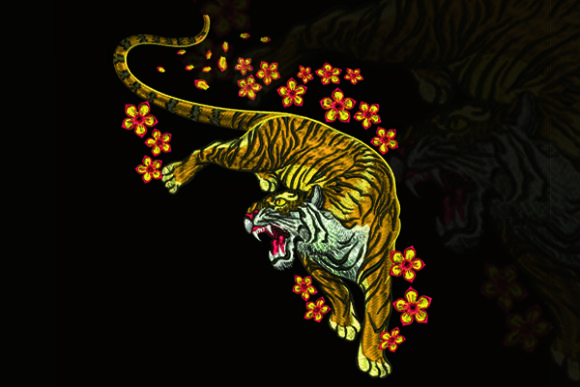
The title, Tiger Roar, immediately sets a mood: confident, wild, and undeniably bold. This isn’t a cute, minimalist outline; it promises depth and personality. For a small shop product aiming to stand out, that first impression is crucial. The description suggests a design with enough scale and detail to command attention, perfect as a central back piece on a jacket or sweatshirt. My initial thought is that this machine embroidery design feels premium and strong, leaning into a decorative, artistic vibe rather than something purely casual or playful.
Evaluating Tiger Roar for Sweatshirt Embroidery
Applying this to a real case scenario—a limited drop of cozy seasonal apparel—requires thinking about fabric, placement, and final presentation.
On neutral sweatshirts like heather grey or cream, Tiger Roar would pop with dramatic contrast, giving a rustic yet sophisticated edge. On dark fabrics like charcoal or black, the design would need thread colors with high luminosity to maintain its roar; golds, bright oranges, and crisp whites would be essential. On pastel colors—a soft blush or mint—the effect shifts, becoming more unexpectedly bold and artistic, potentially appealing to a customer looking for a statement piece with a hint of feminine contrast.
For hoodie chest placement, the design’s scale and detail need careful consideration. Is it readable and impactful at a smaller size? For a back design on an oversized hoodie, Tiger Roar could truly shine, becoming the focal point of the garment. As a sleeve accent, it would likely need to be a simplified or condensed version, so checking the included file formats for size variations is key.
Practical Designer Concerns for Commercial Use
Moving from mood to mechanics, several factors determine if Tiger Roar is ready for boutique merchandise production.
Stitch density and fabric thickness are intertwined. Sweatshirt material, especially premium heavyweight cotton, can handle substantial stitching, but overly dense areas might cause puckering or a stiff feel. A smooth finish, as mentioned with rayon thread, is ideal for preserving fabric texture and comfort.
Stabilizer choice becomes paramount. A design with this level of detail likely requires a firm, possibly cut-away, stabilizer to hold its shape on a flexible sweatshirt, especially for a large back piece. Hoop placement and alignment on a large garment section is another practical hurdle; the design must be hooped securely to avoid distortion.
Washing durability is a silent test of quality. A well-digitized design with proper underlay and stitch structure will hold its form through washes, reinforcing buyer trust. For Etsy sellers and handmade businesses, this longevity is part of the product value. I would assess if Tiger Roar feels robust enough for this commercial embroidery application.
Finally, thread color contrast planning is not just artistic but technical. The design’s readability and impact depend on choosing palettes that work with the base fabric color. This is where printable mockups or design assets become invaluable for previewing the finished product before committing thread and time.
Building Brand Identity with a Wild Animals Design
Beyond the stitch, this embroidery file influences the brand itself. For a small clothing brand, a strong, recognizable piece like Tiger Roar can anchor a collection. It creates visual recognition and can drive customer engagement—people remember a striking tiger on a cozy sweatshirt. In lifestyle product photography, it provides a dynamic focal point, making mockup previews and Etsy listings more compelling.
The handmade presentation is elevated when the embroidery looks intentional and artful. It tells a story of craftsmanship, moving beyond basic apparel decoration into custom apparel branding. Whether the brand identity is adventurous, artistic, or rooted in nature (the Wild Animals category), this design can serve that narrative.
Final Thoughts for the Boutique Brand Project
Tiger Roar presents an exciting opportunity for a premium sweatshirt drop. Its mood is bold and decorative, suitable for creating a standout, high-value item. However, successful execution hinges on practical steps.
- Always verify the technical details of the digital embroidery file before production. Confirm the specific hoop size requirements, stitch count, and any included size variations to ensure compatibility with your intended garment placements.
- Test on your actual fabrics. Run a sample on the exact sweatshirt material you plan to use, paying attention to stabilizer performance and thread color choices.
- Consider its versatility. Could this same design, as the description hints, be applied to other items like wall decor, extending the product line? This adds value for creative entrepreneurs.
If Tiger Roar is well-digitized with clean stitch paths and manageable density, it has the potential to be a cornerstone design for a boutique brand’s collection, turning a simple sweatshirt into a piece of wearable art that customers will cherish.