Asian Elephant Embroidery: A Majestic Craft Fair Design
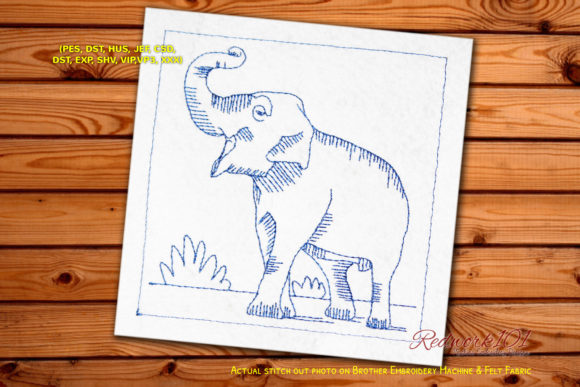
As an embroidery designer preparing for a weekend craft fair, I’m always evaluating which designs will translate into standout products on the table. Today, I’m reviewing the Asian Elephant Raising His Trunk design. Based on the description—a majestic animal walking through nature—this isn’t a cute or whimsical piece. It leans toward an elegant, decorative, and premium feel, which opens specific opportunities in the handmade market.
First Impressions: Elegance & Narrative Appeal
The Asian Elephant Raising His Trunk design immediately suggests a story. The action of raising its trunk conveys motion and life, setting it apart from static animal portraits. This narrative quality is a significant selling point. On a crowded craft fair table, products with a sense of story often catch a customer’s eye because they feel more personal and engaging. The design feels bold in its subject matter but can be executed in a soft, detailed manner depending on stitch choices. It’s inherently decorative and would not fit a rustic or farmhouse aesthetic; instead, it appeals to buyers looking for nature-inspired, elegant gifts.
Product Performance: Where This Design Shines
When considering my typical booth inventory—tote bags, aprons, tea towels, patches, caps, pouches, pillow covers—I need to place this design where its elegance and detail will be appreciated and technically viable.
Tote bags and market bags are a prime candidate. The design’s scale allows it to be a large, focal point on the bag side. Its majestic quality elevates a simple canvas tote into a premium handmade product. For apron embroidery, placement on the bib or a lower pocket could work, but the design’s detail might be lost if scaled down too much for a busy apron.
Pillow covers are perhaps the ideal home for Asian Elephant Raising His Trunk. The decorative, nature theme is perfect for home décor, and the larger hoop sizes available for pillows can accommodate the design’s complexity beautifully, increasing the perceived product value.
Embroidered patches are a possibility, but require careful technical review. The design’s potential dense areas and fine details, like the trunk and possible foliage from “walking through nature,” must retain clarity when minimized. A patch can be a great lower-cost entry point for customers at the fair.
For tea towel embroidery and kitchen items, the theme might be less direct unless targeting a specific nature-loving kitchen aesthetic. A small accent on a corner of a towel could work, but it’s not an obvious kitchen icon. Caps present a challenge due to curved surfaces; the design would need to be significantly adapted and likely simplified for a small, curved area.
Technical Execution for Batch Production
Turning this machine embroidery design into multiple craft fair products requires a practical assessment. The description mentions it comes with multiple embroidery file formats, which is crucial. Before any batch production, I must:
- Test the design on scrap fabric first, preferably in the actual materials I’ll use (canvas, linen, cotton).
- Check thread contrast on both light and dark fabrics. Animal designs on dark fabric can lose impact if color choices aren’t bright enough.
- Inspect stitch density, especially in areas like the elephant’s body. High density on textured towels or thin pouch fabric can cause puckering or stiffness.
- Confirm the appropriate hoop size from the file details. This dictates which products are physically possible (e.g., a large design won’t fit on a cap hoop).
- Use the right stabilizer for each fabric type to maintain design clarity and fabric integrity.
For batch production, the design’s repeatability is good if it stitches cleanly without frequent thread breaks or long run times. Its appeal is consistent—it’s not a seasonal or niche joke—so it can be a reliable small shop product across many fairs.
Visual Appeal & Customer Engagement
At the fair booth, samples of Asian Elephant Raising His Trunk on a premium pillow cover or a sturdy tote act as powerful display anchors. They convey handmade quality and brand consistency if my shop focuses on nature themes. The design is easy to understand at a glance—it’s clearly a beautiful elephant—which is vital for fast-paced fair customer interactions.
For Etsy sellers and online listings, the design should photograph well. The detail and implied motion create a compelling printable mockup or real product photo. It’s important to create at least one real mockup to photograph, as digital mockups might not capture the texture of the stitches and thread.
Careful-Use Notes for a Successful Product
Several technical points directly impact the final product’s saleability.
- Dense stitch areas: If the design has dense fills, using it on bags or apparel that require flexibility might make the area too stiff.
- Tiny details: The trunk, ears, and environmental details need to stitch out cleanly. If they are too fine, reducing the size for a small fabric pouch could turn them into a blurred thread clump.
- Small lettering: The description doesn’t mention text, but if the design includes any small lettering (like a phrase), it is often the first element to fail on textured fabric or at reduced sizes.
- Scale: This design likely works best as a medium to large focal point. As a small accent on a tea towel or cap, it may lose its majestic impact and become merely a generic animal shape.
Finally, a critical step for any commercial embroidery is to confirm commercial licensing before selling finished products. The product description should clarify this; if it doesn’t, I must verify with the designer or file distributor. Using a digital embroidery file commercially without proper licensing risks my business.
Final Judgment for the Craft Fair Table
The Asian Elephant Raising His Trunk embroidery design is a strong contender for my product line. Its elegant, narrative quality gives it a premium edge that can elevate simple items like totes and pillows into standout handmade gifts. It fits well within the Wild Animals category, appealing to a broad audience of nature lovers. Production requires standard but careful testing for stitch density and detail preservation, especially on textured fabrics or dark backgrounds.
For maximum impact at the craft fair, I would prioritize showcasing it on a high-value item like a linen pillow cover and a durable canvas tote bag. These products allow the design to be seen at its best, driving customer attention and engagement. As a practical embroidery business owner, success with this design hinges on those initial tests on scrap fabric and choosing the right product pairings. Once verified, it has the potential to be a dignified and profitable addition to the booth.