The Carrot Peas Embroidery Design: A Professional's Practical Review
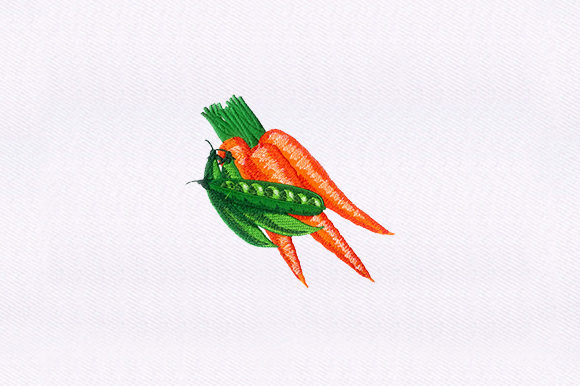
As someone who stitches designs onto real products for clients and my own shop, my first question about any new file is always: how will this actually look on fabric? When I opened the Carrot Peas design, my immediate impression was a cheerful, farm-fresh simplicity. The arrangement of the two carrots with their leafy tops and the cluster of peas creates a balanced, friendly vignette. It’s not overly detailed, which is a good sign for clean stitching, but it has enough character to feel warm and welcoming. This isn't a hyper-realistic illustration; it’s a stylized, approachable design that evokes a wholesome, kitchen-garden mood. I instantly thought it belonged on something used in a home—a tea towel, an apron, a tote bag for market groceries.
Where This Design Finds Its Natural Home
Let’s talk about application. This design’s theme naturally fits a wide range of handmade products. I’m picturing it stitched onto a crisp white apron for a boutique cooking class gift, or as a sweet, subtle detail on a baby’s organic cotton blanket. It would be perfect for a set of kitchen towels sold at a craft fair, adding that handmade touch customers love. For an Etsy seller focusing on personalized gifts, this could be a lovely addition to a wedding gift basket for a couple who loves cooking. The size, from the preview, looks adaptable—likely suitable for a mid-sized hoop, making it versatile for apparel as well. I could easily see this on the pocket of a linen sweatshirt or centered on a canvas tote bag.
The real strength here is its giftability and its appeal to customers looking for something that feels genuine and uncomplicated. On a product, it communicates a story of home, freshness, and simple pleasures. That’s a valuable emotional connection for a handmade business.
Stitching Considerations for Real-World Projects
Now, for the practical embroidery judgment. The design appears to use a combination of fill stitches for the solid areas and likely running or satin stitches for the outlines and finer details like the carrot leaves and pea stems. This mix is standard and should stitch out reliably, but its success depends entirely on your machine setup and fabric choice.
On textured fabrics like a thick cotton twill for a tote, the fill stitches should look饱满 and solid, provided you use adequate stabilizer. On stretchy fabric, like a t-shirt or baby jersey, you’ll need to be extra cautious with stabilizer to prevent puckering, especially around the denser areas of the carrots. I’d avoid very small hoop sizes for this unless the file is specifically sized down; smaller versions might lose clarity in the pea clusters and leafy tips. Always, always test on a scrap of your actual project fabric first. This isn’t just a best practice; it’s how you avoid wasting time and materials on a client’s item.
Thread color contrast is key. On dark fabric backgrounds, the design will need a thoughtful color palette—perhaps lighter, brighter greens and oranges to pop. On light fabrics, the natural colors will shine. Consider doing a test stitch in a simple black and white mockup on your software to check the integrity of the shapes without color distracting you.
Spots Where Extra Attention is Needed
Based on the visual layout, I’d pay close attention to two areas during stitching and in your test run. First, the small, rounded peas. If the stitch density is too high in these small circles, they could become little knots on delicate fabrics. Second, the points where the carrot tops meet the carrots—these junctions should be clean to maintain the crisp silhouette. On curved surfaces like a cap, the design’s rectangular-ish shape might need slight adjustment in placement to look balanced. For products destined for frequent washing, like kitchen linens or baby clothes, ensure your stitch density and stabilizer choice create a durable result that won’t fray.
Turning the Design into a Valued Product
From a commercial and craft business perspective, the Carrot Peas design is a straightforward asset. It’s clearly a machine embroidery design categorized as Food, which makes it easy to organize in your digital library. The provided embroidery file formats are extensive, covering most major machine types, which is a significant practical advantage. Before any project, confirm the specific file you need is included and that your machine reads it.
For an apparel decorator, this design adds a niche, thematic option to your catalog. For a digital product seller, it’s a ready-to-use asset for customers looking for garden or kitchen themes. The visual clarity of the stitched result will directly impact customer trust and perceived value. A clean, crisp embroidery of this design on a pillow cover looks professional and intentional; a puckered, unclear one can undermine your brand’s quality. It’s that handmade presentation detail that matters.
Before selling any finished item or using it in commercial embroidery projects, you must confirm the licensing terms of this design. This review is based on aesthetics and practical application; the legal right to sell physical products or use the file commercially is a separate, crucial step. Always verify that.
A Real-Life Scenario: The Boutique Market Tote
Imagine you’re preparing a line of embroidered tote bags for a spring market. You choose a natural canvas fabric. You load the Carrot Peas design, select a palette of vibrant orange and fresh green threads, and hoop the bag’s front panel carefully. After a successful test on canvas scrap, you stitch it. The finished bag isn’t just a bag; it’s a product with a story. It appeals to the customer who appreciates gardening, cooking, or simply a cheerful, natural motif. It feels cohesive as part of a brand that offers wholesome, everyday items. That’s the power of a well-executed, thoughtfully chosen embroidery design—it elevates the product from generic to special.
Final Professional Notes
My overall take is positive. The Carrot Peas design is a versatile, mood-boosting file that fits naturally into many product categories loved by makers and customers. Its success hinges on your embroidery skill and preparation: proper stabilizer, appropriate fabric, thoughtful thread colors, and a thorough test stitch. Don’t skip these steps. They transform a digital file into a beautiful, durable, and valuable finished product. Whether for a personalized gift, a small shop merchandise item, or a client’s custom apparel, this design has the simple, friendly character that, when stitched well, genuinely enhances a project. Keep that in mind, and your embroidery project will likely delight both you and your end customer.