Caelifera Redwork: A Craft Fair Ready Bug Design
As an embroidery designer preparing for a weekend market, my first task is to review a new design like Caelifera Redwork through the lens of a selling booth. This isn't about artistic theory; it's about whether it will look good on a tote bag hung from my display rack, catch a customer's eye from three feet away, and be practical to produce in batches without excessive thread breaks or time. Let's get into the real-world product judgment.
First Impression: Rustic Charm with Natural Appeal
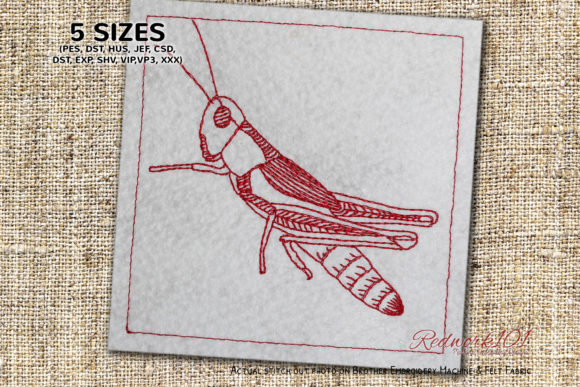
The name Caelifera Redwork immediately suggests a classic, rustic aesthetic. "Redwork" traditionally refers to simple, elegant outlines in a single color, often red, evoking a sense of handmade heritage and farmhouse warmth. Paired with "Caelifera," which is the scientific order for grasshoppers and locusts, the design leans into natural history and botanical illustration charm. This isn't a cartoon bug; it feels decorative, a touch educational, and softly premium. For customers at a craft fair, this creates a specific appeal: it's for those who love gardens, nature, subtle humor, and a less overtly "cute" style. The optional box stitch mentioned in the description adds a framing element, but the note that the box color can be skipped allows for adaptability. This is crucial—it means I can make the design feel more minimal and modern by omitting the box, or give it a more finished, framed look by including it, possibly in a contrasting thread.
Where Caelifera Redwork Stands Out on Products
My display table will have a mix: tote bags, aprons, tea towels, caps, patches, small pouches, pillow covers. Not every design works on every surface. Here’s my evaluation for Caelifera Redwork.
For tote bags and market bags, this design is a strong contender. The likely intricate linework of a grasshopper can become a beautiful focal point on a bag’s panel. It feels intentional and artistic, elevating a simple canvas bag. On aprons and kitchen towels, it performs wonderfully, especially if your brand leans towards garden-themed or rustic kitchenware. A single, well-placed grasshopper near the hem of a linen towel has immediate visual appeal.
Pillow covers are another excellent home decor application. The design could be repeated or used singly for a subtle, nature-inspired accent pillow. For caps, careful consideration is needed. The curved surface and often textured fabric of a cap can challenge small, detailed designs. I would need to test Caelifera Redwork at a smaller size on scrap cap material first to ensure the delicate legs and antennae remain clear.
The design's potential as an embroidered patch is high, assuming the stitch density isn't overwhelming. A bug patch appeals to collectors, gardeners, and kids. For small fabric pouches and giftable items, it adds a unique, bespoke touch that feels more special than a generic floral motif.
Practical Production & Selling Points
Turning a digital embroidery file into profitable craft fair products requires a practical mindset.
Visual Clarity & Photography
Will Caelifera Redwork be easy to understand at a glance? A grasshopper illustration, especially in a single color or with subtle shading implied by redwork, should be recognizable. This is vital for booth sales where customers scan quickly. For Etsy listings and online shops, the design needs to photograph well. Redwork on light fabrics like cream linen or white cotton photographs beautifully with high contrast, making for crisp, attractive digital mockups and photos of finished products.
Batch Production & Handmade Quality
Is the design repeatable? For batch-producing a dozen tea towels, I need a design that runs reliably. The description hints at optional elements (The Box Stitch...you can skip the color directly). This flexibility is excellent for production. I can standardize by always skipping the box for speed and consistency, or offer a "framed" version as a premium option. I must, however, test on scrap fabric first. I need to check the stitch density in the bug's body—dense areas can cause puckering on lightweight towels. I must inspect tiny details like small antennae; they might need a stabilizer adjustment to prevent thread breaks. Using the right stabilizer for each fabric type (textured towels, thick canvas bags) is non-negotiable.
Attention, Value, and Booth Display
How does this affect customer attention and product value? A well-executed, clean embroidery of Caelifera Redwork on a high-quality tea towel increases the perceived value. It looks like skilled handmade work, not a mass-produced print. In a booth display, grouping several products with this design creates a strong thematic section—a "Nature & Bugs" corner that attracts a specific buyer. It aids brand consistency for a shop focused on garden, farmhouse, or natural themes.
Careful-Use Notes for the Embroidery Designer
Here are my direct, from-the-hoop notes for fellow makers considering this machine embroidery design.
- Dark Fabric Test: Redwork traditionally shines on light grounds. Test on dark fabric if you plan to offer that option. Thread color contrast is paramount; a dark red on navy might lose impact.
- Scale is Crucial: This design may lose clarity at very small sizes. For caps or small pouches, a test run is essential to see if the insect's form remains distinct.
- Fabric Texture: On highly textured fabrics like some tea towels, fine lines can get lost. Consider a slightly bolder thread or a different fabric choice for the best result.
- Create a Real Mockup: Before batch production, stitch one real sample on the final product (e.g., a tote bag). This reveals any hooping issues, spacing problems, or visual placement preferences.
- Compare Fabric Colors: Stitch the same design on cream, white, and light grey scraps. See which combination makes Caelifera Redwork pop most for your product line.
- Commercial Licensing: The description doesn't specify license terms. As a digital seller or small shop producing commercial embroidery products, I must verify the license of the embroidery file allows for physical product sales before I stitch anything for the fair.
- Hoop Size & Thread Colors: The provided description doesn't list exact hoop size or thread count. I need to check the actual embroidery file details to plan my hoop setups and thread inventory.
Final Market-Ready Judgment
Caelifera Redwork has a solid place in a craft fair booth. Its rustic, natural aesthetic targets a desirable customer niche. It adapts well to key products like towels, bags, and pillows that sell consistently. Its optional elements give production flexibility. The main cautions are standard for any detailed linework design: test scale, test fabric, ensure photographability. With proper pre-production testing—a real mockup, contrast checks, stabilizer selection—this bug design can become a reliable, attractive part of your handmade product lineup, adding variety and thematic depth to your display. It feels less like a trendy flash and more like a staple design that could attract repeat buyers looking for that specific, garden-inspired handmade quality.