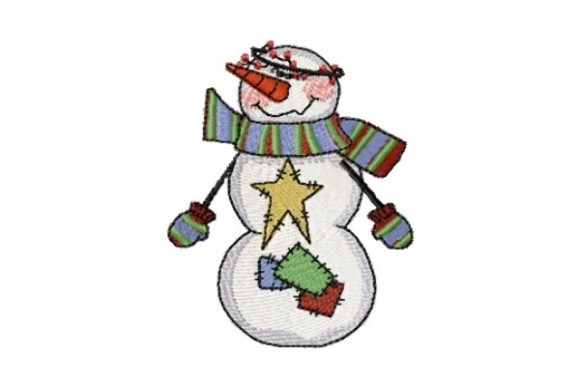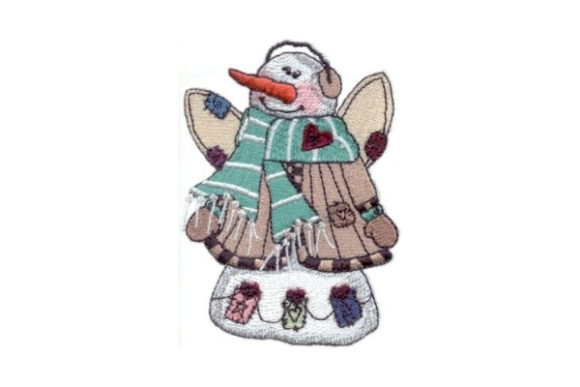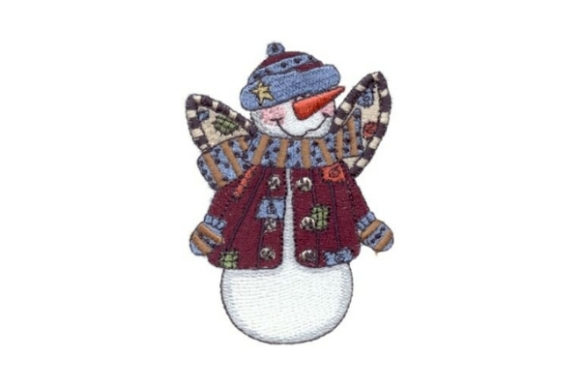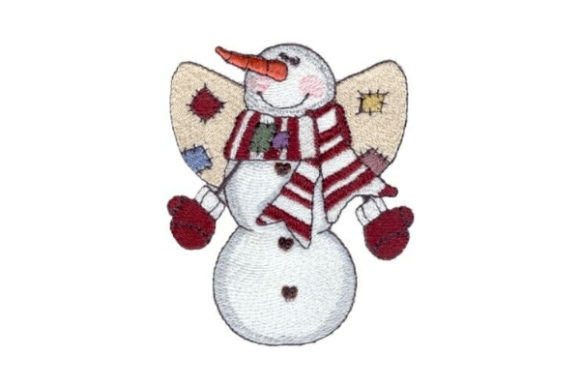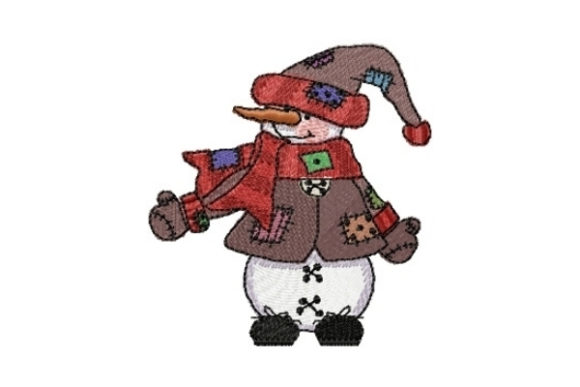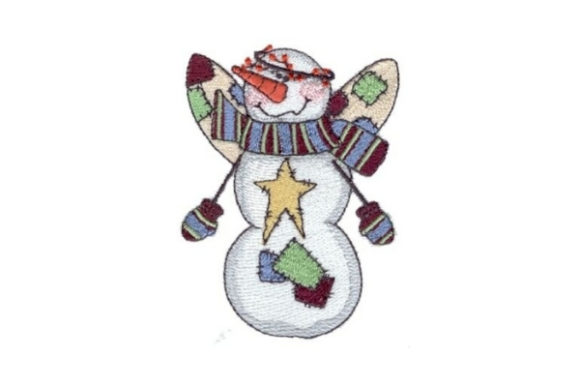
The Angelic Snowman Twinkle Embroidery Design: A Seasonal Review
A Warm Winter Welcome
First impressions are important, both for a design and for the final product you're creating. Opening the Angelic Snowman Twinkle embroidery file, you immediately get a sense of a gentle, cheerful holiday spirit. This isn't a bold or cartoonish winter motif; it carries a softer, more whimsical personality. That "angelic" quality in the title translates visually—it suggests a design that would work beautifully on items meant to evoke warmth, nostalgia, and charm. The layout and theme feel destined for projects where the mood is as important as the decoration itself.
Where This Design Naturally Belongs
Thinking about real projects, this design feels like a natural fit for personalized gifts and handmade products with a cozy aesthetic. Imagine embroidering it onto the corner of a linen pillow cover for a holiday living room display, or as a centered feature on a high-quality kitchen towel for a festive hostess gift. For crafters and small shop owners, its sweet personality would resonate on baby items, like a soft blanket or a sweatshirt for a little one’s first Christmas photoshoot. It has that "boutique" feel—not overly generic, but clearly seasonal.
For apparel decorators, consider it for a subtle accent on a winter-weight sweatshirt or the front of an apron for seasonal baking events. As an embroidered patch, it could become a lovely addition to a tote bag, especially if you're creating a line of winter-themed market bags for your Etsy shop. The design's visual personality leans towards products where the embroidery is a focal point of appreciation, not just a loud branding element.
Potential for Commercial and Gift Projects
For creative entrepreneurs selling finished products, the Angelic Snowman Twinkle design can elevate an item’s perceived value. A handmade presentation with clean stitching from this file adds a layer of care and craftsmanship that customers notice. It boosts giftability—a tea towel or pillow with this snowman feels like a thoughtful, finished present, not just a blank item with a random decoration. For brand consistency, if your shop’s vibe is gentle and handmade, this design aligns perfectly, fostering buyer engagement through its recognizable yet unique seasonal theme.
The Practical Stitching Considerations
In real embroidery work, we move beyond the screen preview to the actual stitchout. The key with any design like this is to assess its performance on the intended substrate. While the product description confirms it comes in multiple embroidery file formats, which is crucial for machine compatibility, the practical judgment begins with a test run.
Testing is Non-Negotiable
Always run the Angelic Snowman Twinkle on a scrap of your target fabric first. This lets you review stitch density, inspect small details, and check thread color contrast. Pay close attention to any potential dense stitch areas or intricate decorative accents; they can affect the final feel on thinner fabrics like cotton jersey for t-shirts. The choice of stabilizer becomes paramount here to maintain clarity.
Consider how it will translate onto different backgrounds. Test it, or at least visualize it in black and white mockups, to see how the shapes hold up on both light and dark fabric. On a dark winter hat, for example, you'd need to ensure the design's lighter elements have enough visual pop. Thread color selection becomes a creative decision, not just a technical one, to preserve that "twinkle" effect.
Navigating Tricky Applications
Some projects require extra forethought. For curved surfaces like caps, check how the design's layout might distort on the seam—sometimes a centralized, symmetrical design fares better. Similarly, on highly textured fabrics like some blankets or sweaters, the fine details might get lost, so a slightly larger hoop size might be beneficial if the design allows it. The product description doesn’t list specific hoop sizes, so confirming the minimum comfortable size before committing to a project is a wise step.
For items destined for frequent washing, such as baby clothes or kitchen linens, evaluate the stitch coverage and density. Areas with high fill stitch concentration need to be secure to withstand laundering without fraying. Also, on stretchy fabric, proper stabilization and possibly adjusting the design placement away from high-stress areas is key to longevity.
Trust, Clarity, and Professionalism
How a design stitches out directly impacts customer trust and your professionalism as a maker. A clean, crisp rendition of the Angelic Snowman Twinkle, with no puckering or skipped stitches, speaks volumes about your attention to detail. This is especially true for digital product sellers offering printable mockups of finished goods—the visual clarity in your previews must reflect a realistic, high-quality finished product. For commercial embroidery projects, a reliable, well-stitching design file is a core asset.
Before selling any items featuring this embroidery, confirm the licensing terms. The description notes it can be used for seasonal projects, but clarifying whether it's suitable for both personal and commercial projects is essential. This protects your craft business and ensures you're using the digital embroidery file appropriately.
Final Thoughts for Makers
The Angelic Snowman Twinkle embroidery design offers a lovely thematic foundation for a range of winter projects. Its mood is its strongest asset, guiding you towards applications where warmth and charm are the goal. The practical journey from file to finished product, however, rests on your standard practices: testing, stabilizing, and thoughtfully pairing it with the right fabric and product type.
Whether you're an apparel decorator adding it to a custom sweatshirt order, a hobbyist creating a holiday gift, or a small business owner building a line of winter merchandise, approach it with an eye for how its angelic personality will translate into thread and fabric. That practical focus turns a good machine embroidery design into a truly successful embroidery project.