Testing Dartboard Design for Personalized Gift Projects
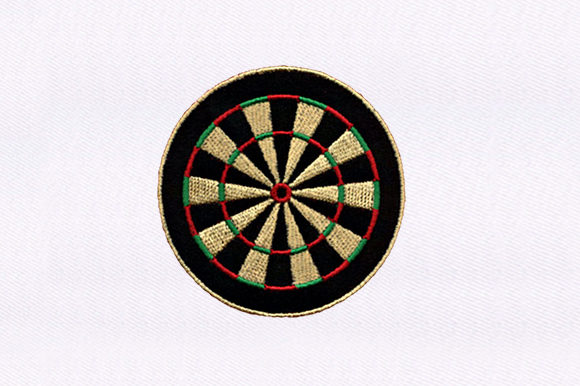
As a designer specializing in embroidered gifts, my process always involves a thorough, hands-on review of a new design before it ever meets a customer's fabric. Today, I'm taking the Dartboard Design through that exact ritual. This isn't just about testing stitches; it’s about imagining the finished product in a client's hands and evaluating its potential for my shop and for makers like you.
The First Impression: Playful Charm with Classic Appeal
Opening the machine embroidery design files, the immediate mood is one of playful, classic charm. It doesn’t scream "seasonal" or "ultra-modern," which is a strength. This design feels like a timeless, handmade addition. The detail level suggests it can be both a bold focal point on a tote bag and a sweet, smaller accent on a baby blanket corner. The emotional appeal is versatile—it can be whimsical for a child’s room, nostalgic for a family keepsake, or simply a fun, personal touch for a kitchen towel. It straddles that lovely line between sweet and classic perfectly.
Imagining the Finished Personalized Gift
My review is rooted in a real case scenario: a customer walks in wanting a meaningful, personalized gift. Let’s envision where Dartboard Design could shine.
For baby embroidery, it’s instantly appealing for a nursery item—think a crib sheet corner or a soft blanket. For a wedding gift, embroidered onto a linen pillow cover or an apron, it becomes a playful symbol of starting a new "game" together. As a family keepsake, stitched onto a custom embroidery wall hanging, it celebrates shared hobbies. The design is a strong candidate for embroidered towels, pillow covers, aprons, and blanket embroidery. For sellers, this translates directly to Etsy listings, craft fair products, or small shop product offerings. You can easily create custom order previews and printable mockups showcasing this design on various items, from a tote bag to a wedding keepsake pouch.
A Note on Careful Application
While versatile, every design has areas where application requires extra attention. With Dartboard Design, I’d be mindful of any very small lettering or intricate, delicate details within the motif. These areas demand perfect stabilization and appropriate stitch density.
On textured fabric like thick terry towels or on stretchy baby clothes, a sturdy stabilizer is non-negotiable to preserve clarity. Embroidering on a curved surface, like a cap, would require careful planning. Using it on dark fabric means thoughtful thread color selection for contrast. And for any product destined for frequent washing, like kitchen linens, testing durability with proper materials is key to maintaining that handmade quality over time.
The Giftability Factor and Customer Perception
How does this design affect the final product's appeal? Dartboard Design significantly boosts giftability. Its classic, playful nature makes it feel like a thoughtful, rather than generic, present. This elevates the perceived value of the finished item.
For customer trust and engagement, a well-executed embroidery of this design speaks to handmade quality and attention to detail. It fosters an emotional connection—the recipient sees a personalized, crafted item, not a mass-produced logo. This is gold for product photography and buyer engagement in your online shop. A crisp, beautiful stitch-out of this design tells a story of craftsmanship before a customer even reads the description.
Practical Embroidery Notes from the Testing Bench
Before running this on a real project, here are the steps I take and recommend to fellow makers:
- Always test on scrap fabric identical to your final product material. Feel the stitch, check for puckering.
- Check thread color contrast thoroughly, especially if deviating from the suggested palette. Create both light and dark fabric mockups digitally to preview.
- Confirm hoop size compatibility. The design files come in multiple formats, but you must verify the physical dimensions fit your project's intended hoop.
- Review stitch density by examining the first test. Is it appropriate for your chosen fabric? A dense design on a lightweight blanket might need adjustments.
- Use proper stabilizer. This is the unsung hero of clean embroidery, especially for textured or stretchy bases.
- Check small details after stitching. Zoom in on your test piece. Are the finest elements clear and intact?
- Lastly, if you plan to sell the finished products, confirm commercial licensing before selling. The provided digital embroidery file formats (like PES, JEF, DST, etc.) are for use, but the license terms govern sale. Always verify this.
A crucial final note: I cannot invent specifics like exact stitch count or hoop size from the file list. The product description confirms the design is for machine embroidery and lists the embroidery file formats: 10O, ART, CND, DSB, DST, DSZ, EXP, HUS, JEF, PCS, PEC, PES, TAP, VIP, VP3, XXX. Before your final project, open the specific file for your machine in your software to review all dimensions and settings.
The Final Verdict for Your Gift Shop
From my designer’s perspective, Dartboard Design emerges as a robust, charming contender for a personalized gift line. Its emotional versatility covers baby celebrations, wedding whimsy, and everyday personalized delights. The practical considerations are standard for a detailed design—attention to stabilization, fabric choice, and thread contrast will yield stunning results.
For the embroidery makers, gift shop owners, and handmade sellers reading this, this design can become a reliable, appealing product in your catalog. It supports the creation of items that feel special, crafted, and genuinely gift-worthy. Remember, the magic is in the preparation. Test it, know its behavior on your typical materials, and then let it become a playful, classic signature on your next customer’s cherished keepsake.