First Look: The Safari Pilot Monkey Applique for Real Projects
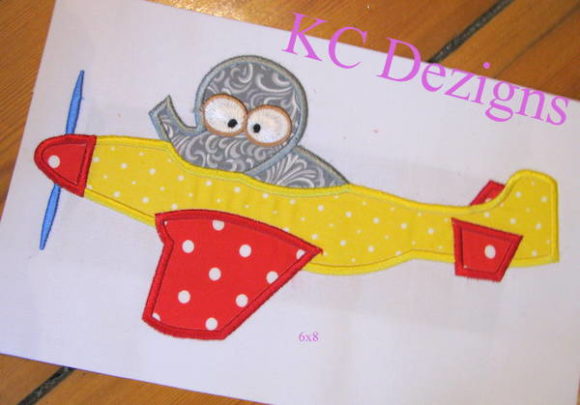
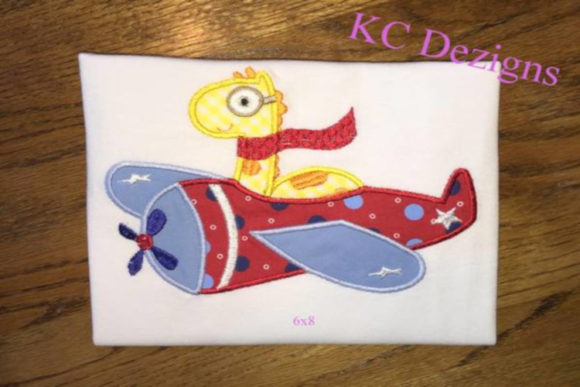
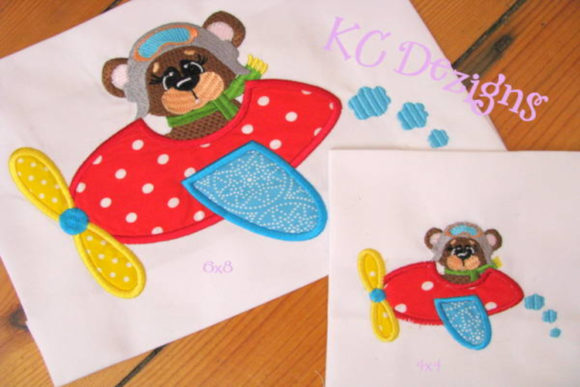
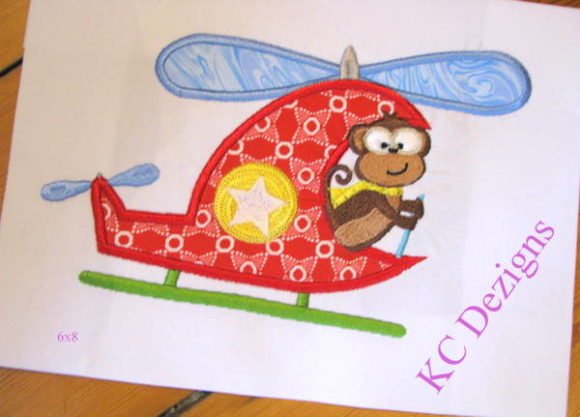
When browsing for fresh designs to add to my collection, the Safari Pilot Monkey Applique caught my eye. Its visual mood is instantly playful and adventurous, perfect for injecting a bit of whimsical charm into a project. From an embroidery designer’s perspective, the first impression is one of a well-defined character design, likely relying on clear applique shapes and satin stitch details to create that cute pilot personality. It feels tailor-made for decorative appeal on items meant for little ones, or anyone who loves a touch of friendly, retro adventure.
The Natural Fit for Handmade & Commercial Projects
This isn’t just a cute image; it’s a machine embroidery design with a specific purpose. In considering it for real customer orders, its application becomes clear. The Safari Pilot Monkey Applique naturally fits projects like children’s apparel, baby blankets, and nursery decor. But its scope isn’t limited. I envision it working beautifully on a tote bag for a playful personal accessory, a sweatshirt for a unique gift, or even a kitchen towel to add personality to a home. For small business owners and Etsy sellers, it presents a strong option for a themed patch, perhaps applied to a cap or backpack.
The design’s character-driven style makes it ideal for handmade gifts where presentation is key. A pillow cover with this design becomes a statement piece, and an apron adorned with it turns a practical item into a fun one. For boutique merchandise or craft fair products, this kind of embroidery file can create consistency within a “safari” or “adventure” themed line, aiding in brand recognition.
Practical Performance on Fabrics & Products
Moving beyond the idea to execution is where an honest evaluation matters. How will the Safari Pilot Monkey Applique perform in real embroidery work? The product description notes it’s an applique design, which typically involves layering fabric pieces. This can add wonderful texture but requires careful planning.
On stable fabrics like quilting cotton for tote bags or pillow covers, it should stitch out cleanly with proper stabilizer. However, on stretchy fabrics like for sweatshirts or caps, extra attention to stabilizer choice and hoop technique is crucial to prevent distortion, especially on curved cap surfaces. The potential for small details, like tiny goggles or insignia on the pilot outfit, means you must be prepared to inspect these areas after stitching. Dense stitch areas, common in satin stitch borders, need appropriate thread tension to avoid puckering.
Considering Fabric Color & Washing Durability
A practical note for apparel decorators: test the design on scrap fabric first, especially if working on dark fabric. The applique fabric color choice becomes paramount for contrast, and the embroidery thread colors must be selected to pop against it. For items like baby blankets or kitchen towels that need frequent washing, the integrity of the applique attachment and the density of the satin stitches around it are vital. A well-digitized design should hold up, but confirming stitch density through a test run is a non-negotiable step for commercial embroidery products meant for long-term use.
Adding Value to Your Finished Product
Using a quality embroidery file like the Safari Pilot Monkey Applique directly affects the perceived value of your handmade product. For creative entrepreneurs, buyer trust is built on consistency and clean finishes. A crisp, well-executed applique with neat satin stitch edges elevates the handmade presentation, making the item feel professional and giftable.
This visual appeal translates directly to product photography. A clean design with bold colors photographs well, enhancing your Etsy listings or printable mockups for digital product sellers. It engages customers by telling a story – a little safari pilot ready for adventure – which can increase customer engagement and connection to the item.
Essential Embroidery Notes Before You Hoop
Before committing this design to a real customer order, a disciplined approach is necessary. My standard process applies here:
- Always run a test on a scrap of your target fabric, using the same stabilizer you plan for the final project.
- Check thread color contrast against your chosen applique fabric and base garment.
- Review the stitch density by observing the test run; look for any overly dense fill stitch areas that might challenge the fabric.
- Confirm the required hoop size by checking the product details on the Creative Fabrica embroidery product page. Do not assume a size.
- Compare how the design will look on both light and dark fabric backgrounds by creating simple mockups.
- Inspect all small details, like any running stitch lines or tiny elements, after the test stitch-out to ensure they are clear and secure.
Most importantly, always confirm the file details and licensing terms on the Creative Fabrica product page before selling finished items. Understand the allowed uses for commercial embroidery and digital product creation. This safeguards your business and respects the designer’s work.
Final Thoughts on Project Worth
The Safari Pilot Monkey Applique presents a charming, thematic option for a range of projects. From a professional standpoint, its worth downloading hinges on your specific project needs. If you are creating for the “Boys” category or simply for adventure-themed items, it fills a nice niche. Its applique construction offers a classic embroidery texture that customers often appreciate. However, its successful use depends entirely on your diligent preparation: testing, stabilizing, and color planning. For crafters and handmade shop owners looking for a fun, character-based design to expand their offerings, this could be a valuable addition to your digital embroidery file library. Approach it not as a generic graphic, but as a construction project—one that, when executed with care, can yield a delightful and durable finished product.